Is Micro-needling Beneficial for Your Skin?

What is micro-needling?
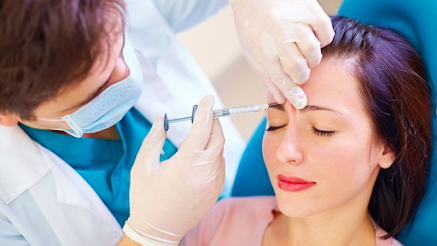
Micro-needling treatment is a very small invasive cosmetic process applied to treat skin issues through collagen production. Popular as collagen induction therapy too, this treatment is useful for those seeking to decrease the visibility of acne scars and stretch marks.
It’s also used in certain anti-ageing processes like eyelid surgery and sunspots. Micro-needling services aren’t fruitful during hair loss, despite the possible role of collagen in hair growth.
You may be a suitable candidate for this process if you’re in good health and have few skin issues that haven’t responded to home treatments or other kinds of dermatologic treatments, such as peels.
This may also be the last step before considering cosmetic surgery for anti-ageing and other issues. Speak to your dermatologist to know if there are any micro-needling side effects and see if this is a feasible option for your skin.
Safety:
Micro-needling is less invasive, needing no downtime.
It’s assumed safe for most people who are in overall good health.
The procedure isn’t safe for people who apply specific acne medications or for pregnant women.
You may feel minor redness and irritation for a few days after the process.
Convenience:
The total prep and procedure time is almost two hours.
You have to consult a board-certified dermatologist, plastic surgeon, or cosmetic surgeon for this process. In few states, an aesthetician can conduct the procedure if supervised by a physician.
You may require a minimum of four procedures or more for the ideal results.
Cost:
Micro-needling may approximately cost $100 to $700 each session. The overall costs are dependent on the size of the area being worked on.
It’s not covered by insurance.
Efficacy of micro-needling before and after:
It’s effective for the treatment of minor scarring related to acne, wounds, and ageing. You’ll possibly observe brighter, firmer skin, as well.
Perfect results are achieved after many sessions.
Micro-needling is far more useful than at-home rollers.
Targeted areas for micro-needling
Micro-needling is most often applied on your face to target the following-
fine lines and wrinkles
large pores
acne scars
age spots are known as “sun spots”
reduced skin elasticity
uneven skin tone
other types of scars
Apart from facial concerns, micro-needling is often applied to heal stretch marks in other parts of the body. One research revealed that micro-needling was useful for stretch marks on the thighs and abdominal region if combined with fillers.
Scarring on other body parts may also be healed with this treatment. But micro-needling is mostly applied to the face.
Are there any risks or side effects?
Similar to all cosmetic procedures, micro-needling isn’t risk-free. The commonest side effect is minor skin irritation immediately after the procedure. You may also experience redness for a few days. Consult your doctor if you witness more severe side effects, like:
peeling
bleeding
bruising
infection
You may not be a suitable candidate for micro-needling if you:
are pregnant
have open wounds
have certain skin diseases, such as psoriasis or eczema
have had radiation therapy recently
have a history of skin scars
What to expect after micro-needling?
Micro-needling isn’t invasive like plastic surgery, so the recovery time is less. People mostly need a very little downtime, if any at all.
You can observe skin irritation and redness within the first few days after the procedure. This is a natural response to the minor “injuries” caused by the needles in your skin.
You can go back to work if you feel comfortable. Some people use camouflage makeup during the first few days as the redness disappears.
Your skin will also be more sensitive to the sun, so sunscreen is mandatory.
After micro-needling, your skin works fairly quickly to revitalize new tissue. You should find results within a couple of weeks.
To maintain the results of your treatment, you’ll require many sessions and perhaps other complementing treatments. Your doctor will suggest to you the best plan of action based on your individual goals.
Preparing for micro-needling
Before the procedure, consult your doctor about ways you can prepare so you have the best possible results. You may require to stop taking few medications, like ibuprofen and those for acne treatment, much before the procedure.
Your doctor may also advise to you stop applying topical retinoids beforehand too. Doing so may lessen the risk of a few side effects.

Comments
Post a Comment