5 Different Types of Dermal Fillers

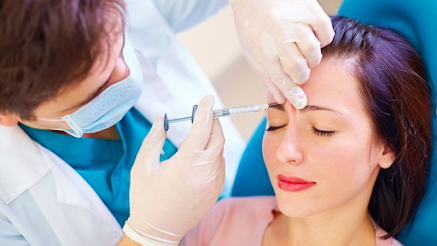
Over the last few years, dermal filler treatment in California has gained immense popularity. There are various types of dermal fillers. The commonest types are as follows:
1. Hyaluronic Acid
Hyaluronic acid injections can be utilized to boost the contour of the skin and minimize depressions in the skin caused by injuries, scars, or lines. You can witness a lot of drastic improvements in the following:
- Cheek Depression
- Acne Scars
- Deep smile lines that run from the side of the nose to the corners of the mouth, aka nasolabial furrows)
- Marionette lines at the corners of the mouth
- Redefining Lip Border
- A few Facial Scars
- Frown lines between the eyebrows
- Crow's feet at the corner of your eyes
- Scars include burns, acne, and those caused due to wounds
- Vertical Smoker's Lines on the mouth
- Worry lines running across your forehead
Hyaluronic acid, being a natural substance in our bodies, there are high concentrations in soft connective tissues and the fluid encircling your eyes. Additionally, it's in certain cartilage and joint fluids, apart from skin tissue. For your proper skincare in Los Angeles, it’s extracted and reformulated and is now one of the most popular kinds of injectable fillers. The familiarity of the term is due to the same substance often injected into the aching joints of arthritis patients to alleviate pain and offer additional cushioning.
2. Calcium Hydroxylapatite
Calcium hydroxylapatite is a mineral-like compound that is naturally found in human bones. It's mostly used to:
- Increase fullness of the cheeks and other facial contours
- Moderate-to-severe creases like marionette lines, nasolabial folds, and frown lines
- Develop volume in facial wasting areas among HIV-positive people taking particular medications
Being biosynthetically produced, no animals or animal products are used in Calcium hydroxylapatite in any skincare center to reduce the risk of an allergic reaction. Accordingly, no skin testing is needed. This dermal filler type can produce an organic result, as it doesn't migrate with hardly any rare side effects. Initially, this dermal filler was applied in dentistry and reconstructive surgery and takes pride in its long safety record.
3. Polylactic Acid
As a synthetic dermal filler, Polylactic acid is injected into your face, leading to your body's collagen production. Also known as a stimulator, this non-toxic, biodegradable substance has been utilized for more than four decades as a suture material. Polylactic acid can work extremely well in the lower half of your face, and is used to:
- Plump Thin Lips
- Fill the lines caused due to laughing
- Treat Deep Nasolabial Folds
Unlike other dermal fillers, this substance can't produce instant results. Rather, it stimulates your body's collagen production. Accordingly, results appear moderately for a few months. You may require nearly three months of skin care treatment in California to accomplish your desired results. Each treatment re-stimulates your collagen. Thereafter it can take four to six weeks for the full effect. Though this type of dermal filler is semi-permanent, still you may require periodic touch-ups.
4. Polyalkylimide
Polyalkylimide is a semi-permanent dermal filler and is mostly applied by plastic surgeons to:
- Plump Thin Lips
- Heal deeper wrinkles like nasolabial folds or depressed scars
- Healing facial waste from HIV medications
- Improve cheekbones and the jawline, and replace facial volume lost because of age
Polyalkylimide has a minimal reaction with human tissue. So, it's biocompatible. Accordingly, no allergy test is needed. Its radio transparency implies that it doesn't interfere with x-rays. After the injection, a thin collagen layer gradually develops around it for nearly a month. The gel is ultimately surrounded. A single procedure can inject a large volume. This reasonably stable product can even be removed if required.
5. Polymethyl-Methacrylate Microspheres (PMMA)
PMMA is a semi-permanent filler and is primarily used to cure medium-to-deep wrinkles, folds, and furrows, especially nasolabial folds. Moreover, it can be utilized to fill out pitted scars and augment thin lips as well. If a more permanent solution to facial wrinkles is required, then PMMA is often used rather than collagen replacement therapy or hyaluronic therapy. For years PMMA has been employed for permanent surgical implants. Due to this, the surgeon will probably under-fill on the initial treatment, adding more later if required.
Inference
Dermal fillers vary in chemical makeup longevity and have different degrees of softness. Softer fillers are used on the lips, for example, while sturdier fillers might be required to develop cheekbones. Visit any reputable skin care clinic in California where your surgeon will decide the best type and volume of filler needed for your particular areas of concern.


Comments
Post a Comment